




The Ultimate Guide to Selecting Hydraulic Cylinders and Jacks
Hydraulic cylinders and jacks are the workhorses of the mechanical world, transforming fluid power into immense linear force. From lifting multi-ton buildings for foundation repair to holding a car safely while changing a tire, these devices are indispensable across construction, automotive, industrial, and agricultural sectors. Despite sharing the same fundamental principle—Pascal's law—cylinders and jacks serve distinct roles and come in a bewildering array of configurations.
Selecting the wrong component can lead to catastrophic failure, equipment damage, or serious personal injury. A jack that is undersized for a lifting task, or a cylinder with an incorrect mounting style for an application, is a recipe for disaster. This comprehensive guide will dissect the critical factors involved in selecting both hydraulic cylinders and hydraulic jacks, ensuring you choose the right tool for the job with safety and efficiency as the top priorities.
Part I: Understanding the Difference – Cylinders vs. Jacks
Before diving into selection criteria, it is essential to distinguish between these two related but different devices.
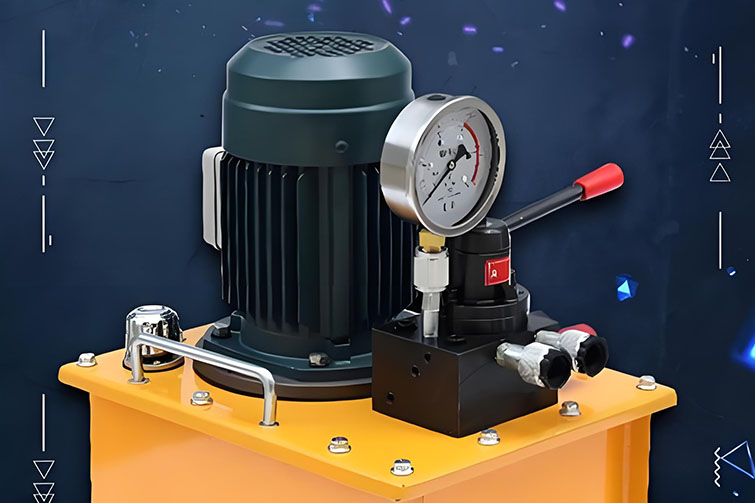
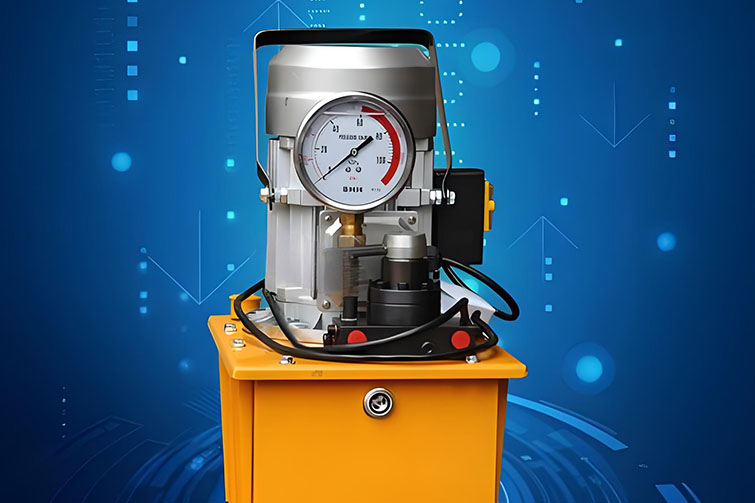
- Hydraulic Cylinders (Actuators): These are components designed to be integrated into a system. They are the "muscle" of a hydraulic circuit, typically powered by a separate pump (like the electric hydraulic pumps discussed in the previous guide). They are used for pushing, pulling, pressing, or holding within machinery—from excavator arms and injection molding machines to hydraulic presses and material handling equipment. They are not standalone tools; they require hoses, valves, and a power source.
- Hydraulic Jacks (Tools): These are typically standalone lifting devices with an integrated pump (manual, air, or electric). Their primary purpose is lifting heavy objects a relatively short distance. Common examples include bottle jacks for vehicles and floor jacks for automotive repair. While they contain a cylinder within them, they are sold as complete, portable tools.
Understanding this fundamental difference is the first step, as the selection process for a system component is vastly different from choosing a standalone tool.
Part II: Selecting a Hydraulic Cylinder
Choosing a cylinder for integration into a hydraulic system involves a detailed analysis of mechanical, hydraulic, and environmental factors.
1. Determine the Required Force (Capacity)
This is the most fundamental question: how much work does the cylinder need to do? The force a cylinder generates is a product of hydraulic pressure and the area of the piston on which that pressure acts.
- The Formula: Force (lbs or N) = Pressure (PSI or Pa) × Piston Area (in² or m²).
- Push vs. Pull: A cylinder's push force (cap end) is always greater than its pull force (rod end) because the rod takes up space on the other side of the piston, reducing the effective area. You must calculate the force required for both directions of travel if applicable.
- Sizing: Determine the maximum force your application requires. Then, based on the available system pressure (e.g., your pump's maximum pressure), you can calculate the necessary piston diameter. It is standard practice to select a cylinder with a force rating 20-25% higher than your calculated requirement to provide a safety margin and account for friction and pressure drops.
2. Determine the Required Stroke Length
The stroke is the distance the piston rod travels from fully retracted to fully extended.
- Measure the Travel: Calculate the exact distance the load must be moved.
- Consider Mounting: The stroke length interacts with the cylinder's overall length and mounting style. You must ensure that when fully retracted, the cylinder fits in the machine, and when fully extended, it reaches the required point without bottoming out internally.
- Buckling Risk: A very long, slender rod under a heavy compressive load is prone to buckling. For long strokes, you may need a cylinder with a larger diameter rod or special features to prevent this.
3. Choose the Cylinder Construction and Type
- Single-Acting vs. Double-Acting:Single-Acting: Hydraulic fluid enters one side of the piston to extend it, and an external force (like a load or a built-in spring) retracts it. These are simpler and cheaper, common in applications like dump trailers or some jacks.Double-Acting: Fluid can be directed to either side of the piston, allowing for powered extension and powered retraction. This is the standard for most industrial machinery where positive control in both directions is required.
- Tie-Rod vs. Welded vs. Telescopic:Tie-Rod Cylinders: Held together by four or more threaded steel rods. They are easily repairable (can be disassembled to replace seals) and are the industry standard for industrial applications like manufacturing and assembly lines (NFPA interchangeable cylinders).Welded Cylinders: The end caps are welded directly to the barrel. They are more compact, durable, and have a higher fatigue life than tie-rod cylinders, making them ideal for demanding mobile applications like construction and agricultural equipment. They are generally less serviceable.Telescopic Cylinders: Contain multiple nested stages that extend sequentially. They provide an extremely long stroke from a very compact retracted length, making them perfect for dump trucks and other applications with space constraints.
4. Select Mounting Style
The way a cylinder is attached to the machinery is critical. The mounting style must allow the cylinder to move through its arc of motion without binding. Common styles include:
- Fixed Mounts: (e.g., Flange mounts, Foot mounts) The cylinder body is rigidly bolted to the machine structure. Suitable for applications where the force is in a straight line.
- Pivoting Mounts: (e.g., Clevis mounts, Trunnion mounts) Allow the cylinder to pivot as it extends and retracts. Essential for applications where the cylinder will be moving a load through an arc, such as a loader arm.
- Side-Mount (Lug mounts): Common on tie-rod cylinders, where the cylinder sits on lugs machined into one of the end caps.
5. Specify Rod Diameter and Material
The rod transfers the force from the piston to the load. It must be strong enough to handle the tensile and compressive stresses.
- Diameter: A larger diameter rod is stronger and more resistant to buckling, but it reduces the pull force and adds weight.
- Material and Finish: Rods are typically made of high-strength steel with a hard chrome plating to resist corrosion and abrasion from wiper seals. For corrosive environments, stainless steel rods may be necessary.
6. Consider Environmental Factors and Seals
- Temperature: Standard seals (e.g., polyurethane, Buna-N) are suitable for typical oil temperatures (-20°F to 200°F). High-heat applications may require Viton seals, while low-temperature environments need special cold-resistant compounds.
- Contaminants: If the cylinder operates in a dusty, dirty, or wet environment, ensure it has effective wiper seals and scraper rings to prevent contaminants from entering the cylinder and damaging the internal surfaces and seals. Consider the ingress protection (IP) rating if applicable.
Part III: Selecting a Hydraulic Jack
Selecting a jack is less about system integration and more about matching a tool to a specific lifting task, with a heavy emphasis on safety and stability.
1. Determine Lifting Capacity
This is the single most important factor. Never use a jack that is rated for less than the weight you intend to lift.
- The 50% Rule: It is a cardinal rule to never lift more than 50% of a jack's rated capacity. If you need to lift a 2-ton vehicle, use a jack rated for at least 3 tons (often written as 1.5x the load). This provides a massive safety margin for dynamic loads, off-center lifting, and the aging of the tool.
- Gross Vehicle Weight: For automotive applications, you need to know the gross vehicle weight, not just the empty weight. If you are lifting one corner of a car, the jack is only supporting a portion of the total weight, but using the full vehicle weight for your capacity calculation is the safest approach.
2. Choose the Jack Type
- Bottle Jacks (Hydraulic): These are upright, cylindrical jacks resembling a bottle. They are incredibly strong for their size and are ideal for lifting heavy equipment, machinery, and trucks. They offer high capacity in a compact form but have a relatively small lifting range and can be tippy if not used on a perfectly level surface with the load centered.
- Floor Jacks (Trolley Jacks):) These are the ubiquitous jacks in auto shops. They sit on casters, have a long horizontal chassis and a lifting arm. They are valued for their low profile (able to slide under low cars), long reach, and stability. They are the best all-around choice for most automotive repair work.
- Hi-Lift Jacks: These are manual, long-handled jacks used primarily off-road for vehicle recovery. They can lift, winch, clamp, and pull, but are notoriously unstable for simply changing a tire on flat ground and require specific knowledge to use safely.
- Hydraulic Toe Jacks: These have a low, flat "toe" that can slide under very low clearances where a standard bottle or floor jack cannot fit. They are commonly used for positioning heavy machinery.
- Air/Hydraulic Jacks: These use shop air pressure to activate a hydraulic cylinder, allowing for rapid lifting with minimal effort. They are popular in high-volume tire shops.
3. Lift Range and Minimum Height
The lift range is the distance from the jack's lowest point (fully lowered) to its highest point (fully extended).
- Minimum Height: This is critical. The jack must be able to fit under the load when it is at its lowest point (e.g., under a car's axle or jack point with a flat tire). A low-profile floor jack is essential for sports cars.
- Maximum Height: You must be able to lift the load high enough to perform the required task, such as removing a wheel or placing jack stands. Ensure the jack's maximum height is greater than the height you need to achieve.
4. Chassis, Construction, and Stability
- Build Quality: Look for a jack made of heavy-gauge steel. The frame should feel solid, not flimsy. The casters and wheels should be robust and roll smoothly.
- Saddle Size: The lifting saddle (the part that contacts the load) should be large enough to provide a stable platform. It should also swivel to maintain flush contact with the load's lifting point.
- Hydraulic Unit: The quality of the internal hydraulic cylinder and pump matters. Reputable brands use high-quality seals and precision-machined components for smooth, reliable operation.
- Safety Features: A critical safety feature is the overload safety valve, which prevents the jack from being used to lift a load beyond its rated capacity. Also, look for a smooth and positive release mechanism for controlled lowering.
5. Portability and Weight
Consider how often you will move the jack. A heavy-duty floor jack can weigh 100 lbs or more, making it difficult to transport. A lightweight aluminum racing jack is much easier to move but may have a lower capacity. Bottle jacks are inherently portable due to their compact size.
Part IV: Universal Safety Considerations for Both
Whether you are integrating a cylinder into a 10,000 PSI press or using a floor jack to change a tire, safety is paramount.
- Never Exceed Rated Capacity: This is the golden rule. Overloading leads to catastrophic failure.
- Inspect Before Use: Check for hydraulic fluid leaks, cracked hoses, damaged pistons or rods, and any signs of wear. A leaking jack or cylinder should be taken out of service immediately.
- Use on Stable, Level Ground: Always use jacks and cylinders on a surface that can support the load without sinking or tipping.
- Position the Load Correctly: Center the load on the jack saddle or cylinder rod cap. Off-center loading can damage the tool and cause dangerous instability.
- Always Use Jack Stands: For any task that requires going under a vehicle or working beneath a lifted load, never rely on a hydraulic jack alone. Immediately support the load with properly rated and positioned mechanical jack stands. Hydraulics can fail or bleed down over time.
- Follow Manufacturer's Instructions: Every jack and cylinder comes with specific instructions regarding use, maintenance, and lubrication. Read and follow them.
Part V: Conclusion
Selecting the right hydraulic cylinder or jack is a critical decision that impacts the success, efficiency, and safety of your work. When choosing a cylinder for a system, focus on force, stroke, mounting, and the operating environment. When choosing a standalone jack, prioritize capacity, type, lift range, and stability.
In both cases, the common thread is a relentless commitment to safety. By understanding the fundamental principles outlined in this guide and respecting the immense power of hydraulics, you can select equipment that will perform reliably for years to come. Remember, when in doubt, consult with a hydraulic specialist—it is always better to ask questions than to learn a hard lesson from equipment failure.