




The Comprehensive Guide to Selecting the Right Electric Hydraulic Pump
Electric hydraulic pumps are the powerhouse of countless industrial, construction, and mobile applications. They convert electrical energy into hydraulic energy, providing the force necessary to power cylinders, motors, and tools. From manufacturing plants and automotive repair shops to construction sites and agricultural operations, the reliability and efficiency of these pumps directly impact productivity and safety.
However, with a vast array of models, specifications, and technologies available, selecting the correct electric hydraulic pump for a specific task can be a daunting challenge. Choosing a pump that is undersized can lead to system failure and downtime, while an oversized pump results in unnecessary energy consumption and higher costs. This comprehensive guide will walk you through the critical factors to consider when selecting an electric hydraulic pump, ensuring you make an informed and cost-effective decision.
Chapter 1: Defining Your Application and Requirements
Before delving into pump curves and specifications, the first and most crucial step is to thoroughly define the task at hand. The application dictates every other aspect of the selection process. Ask yourself the following fundamental questions:
- What is the primary function? Will the pump be used to power a single-acting cylinder (like a jack), a double-acting cylinder (like on a log splitter or press), or a hydraulic motor (for a conveyor or winch)? The type of actuator determines the necessary control valve configuration.
- What is the required force? This is determined by the work that needs to be done. Calculate the force required by your actuator (e.g., tons of pressing force or lifting capacity). This force, along with the cylinder area, will dictate the pressure needed.
- How fast does the actuator need to move? Speed is directly related to flow rate. Determine how quickly you need the cylinder to extend or the motor to rotate. This will help you calculate the required pump flow, typically measured in gallons per minute (GPM) or liters per minute (LPM).
- What is the duty cycle? Will the pump run continuously for hours, or will it be used intermittently, such as for occasional pressing operations? The duty cycle is a major factor in selecting the pump's power unit and cooling requirements.
- Where will the pump be used? Consider the environment. Is it indoors in a clean workshop, or outdoors on a dusty construction site? Will it be exposed to extreme temperatures, moisture, or corrosive chemicals? This influences the required ingress protection (IP) rating and the materials of construction.
Chapter 2: Understanding the Hydraulic System
A basic understanding of the key components of a hydraulic system is essential for making the right choice. The electric hydraulic pump is just one part of a larger system that typically includes:
- Reservoir (Tank): Holds the hydraulic fluid.
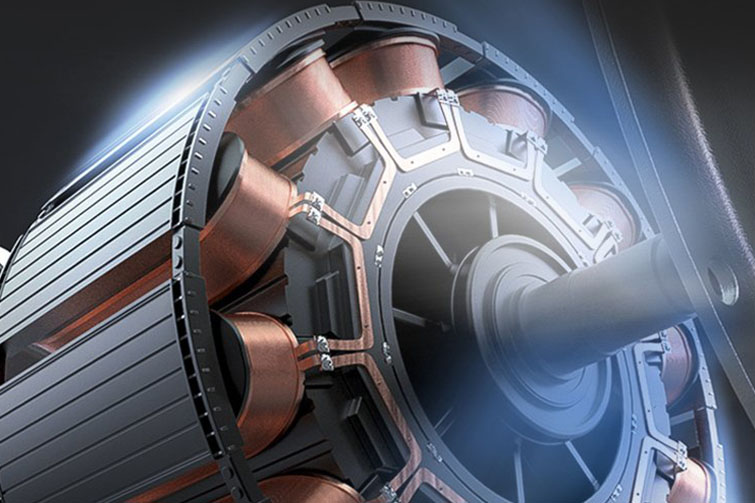
- Electric Motor: Provides the rotational force to drive the pump.
- Hydraulic Pump: The heart of the system, it converts mechanical energy into hydraulic energy by moving fluid.
- Valves: Control the direction, pressure, and flow of the fluid. The most common is the directional control valve, which dictates the path of the fluid to and from the actuator.
- Actuator: The component that performs the work (cylinder or motor).
- Filter: Keeps the hydraulic fluid clean, which is vital for component longevity.
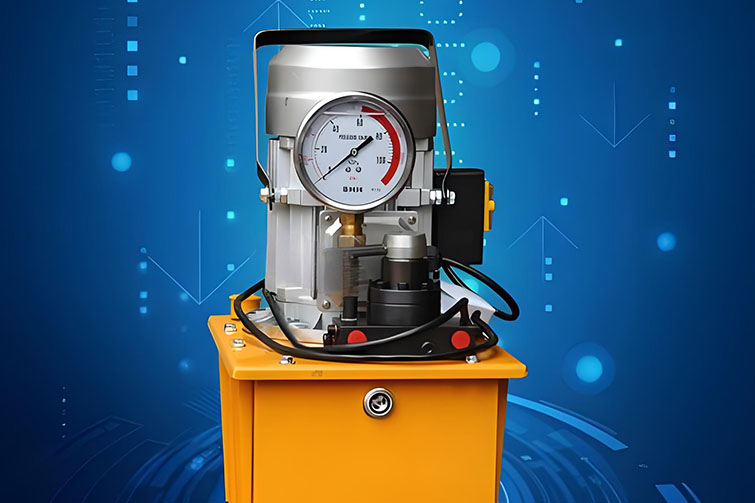
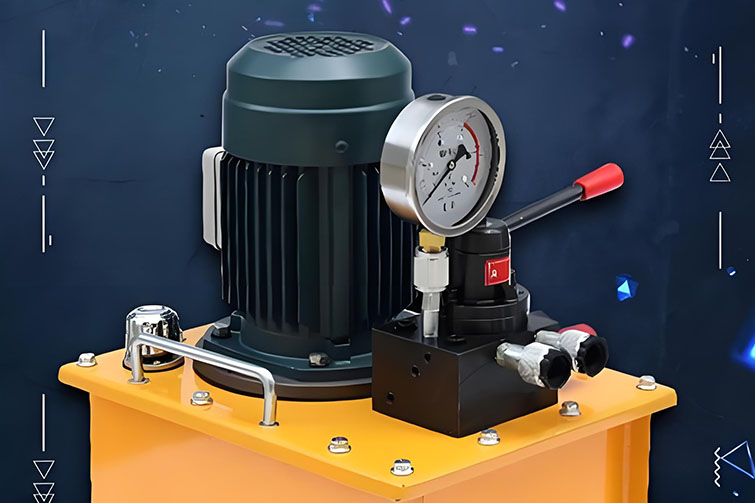
When you select an electric hydraulic pump, you are often selecting a "power unit," which is a pre-assembled combination of the motor, pump, reservoir, and often the control valve.
Chapter 3: Key Factors in Pump Selection
Armed with a clear understanding of your application, you can now evaluate the technical specifications of potential pumps.
3.1 Pressure and Flow: The Performance Curve
Pressure and flow are the two most fundamental specifications of any hydraulic pump. They are inversely related and are best understood by looking at a pump performance curve.
- Pressure (PSI or Bar): This is a measure of the force the fluid can exert. It is determined by the load resistance. The pump must be capable of generating the maximum pressure required by your application. It's wise to select a pump with a maximum pressure rating slightly higher than your calculated requirement to provide a safety margin and account for pressure drops in the system. Common pressure ranges are 1,500 PSI for light-duty, 3,000 PSI for medium-duty, and 10,000 PSI or more for high-force applications like hydraulic rescue tools or heavy lifting.
- Flow (GPM or LPM): This is a measure of the volume of fluid the pump moves per unit of time. It directly determines the speed of your actuator. A higher flow rate means faster cylinder extension or motor rotation.
- The Power Equation: The horsepower required from the electric motor is a function of both pressure and flow. A common formula is: Horsepower = (Flow in GPM × Pressure in PSI) / (1714 × Pump Efficiency) . This highlights the trade-off: to achieve both high pressure and high flow simultaneously, you need a very large and powerful motor.
For many applications, a two-stage or "log splitter" pump is used. This clever design uses a high-flow, low-pressure stage for rapid approach of the actuator, then automatically switches to a low-flow, high-pressure stage when the load increases. This allows for fast cycle times without requiring an oversized motor.
3.2 Pump Type: Gear, Vane, or Piston?
The internal mechanism of the pump dictates its efficiency, cost, and suitability for different applications.
- Gear Pumps: These are the most common type for mobile and industrial applications up to around 3,000 PSI. They are robust, simple, tolerant of some contamination, and cost-effective. External gear pumps are particularly popular for applications like log splitters, lifts, and small presses.
- Vane Pumps: Known for being quieter than gear pumps and having lower flow ripple. They are often used in industrial machinery where noise is a concern and pressures are moderate. They are less tolerant of contamination than gear pumps.
- Piston Pumps: These are the high-performance option, capable of operating at very high pressures (over 10,000 PSI) and with high efficiency. They can be variable displacement, meaning the output flow can be adjusted. They are used in demanding applications like construction equipment (excavators), heavy presses, and aerospace testing but are significantly more expensive and sensitive to fluid contamination.
For most general-purpose industrial and workshop applications where you are purchasing a standalone unit, a high-quality gear pump will be the most practical and economical choice.
3.3 The Electric Motor: Power Source and Voltage
The electric motor is the prime mover. Your selection here is largely dictated by your available power supply.
- Voltage and Phase: Common options include single-phase (e.g., 115V, 230V) for residential and light commercial use, and three-phase (e.g., 208V, 230V, 460V) for industrial applications. Three-phase motors are generally more efficient and provide a smoother start, but require a three-phase power source. Ensure the pump's motor matches your facility's electrical supply.
- Horsepower (HP): As discussed, the required HP is a function of your pressure and flow needs. A 2 HP motor might be sufficient for a small shop press, while a large industrial power unit could require 20 HP or more.
- Enclosure Type: The motor's enclosure protects it from the environment.Open Drip Proof (ODP): Suitable for clean, dry indoor environments.Totally Enclosed Fan Cooled (TEFC):) The standard for most industrial and outdoor use. It prevents the exchange of outside air with the inside of the motor, protecting against dust and moisture.Explosion-Proof: Required for hazardous locations where flammable vapors or dust are present.
3.4 Reservoir (Tank) Size
The reservoir stores hydraulic fluid, helps cool it, and allows contaminants to settle. A general rule of thumb is that the reservoir should have a capacity of at least 1 to 2.5 times the pump's flow rate in GPM. For example, a 5 GPM pump typically needs a 5 to 12.5-gallon tank. A larger tank provides better cooling and longer fluid life. For intermittent duty cycles, a smaller tank is often acceptable, while continuous operation demands a larger reservoir to manage heat buildup.
3.5 Control Valves and Functionality
How do you want to control the actuator?
- Manual Valves: Operated by a lever or handle. Simple, reliable, and cost-effective. Common for log splitters and presses.
- Solenoid Valves: Electrically operated. Allow for remote control, automation, and push-button operation. They are essential for complex machinery.
- Directional Control: You need a valve that matches your actuator. A 3-way valve is for single-acting cylinders, while a 4-way, 3-position valve is standard for double-acting cylinders, allowing them to extend, retract, and hold.
- Additional Features: Consider if you need features like a pressure relief valve (a must-have for safety), a flow control valve (to adjust speed), or a motor starter with overload protection.
Chapter 4: Matching the Pump to the Task – Practical Scenarios
Let's look at how these factors come together for common applications:
- Scenario A: The Automotive Hydraulic Press.Goal: Occasional pressing of bearings and bushings. Moderate force needed.Selection: A compact power unit with a small reservoir (1-5 gallons). A single-phase motor (115/230V) for workshop convenience. A two-stage gear pump to provide decent speed and high pressure (up to 10,000 PSI) for the pressing force. A simple manual valve is usually sufficient.
- Scenario B: Industrial Production Line Clamping.Goal: Operating multiple clamps simultaneously, many times per hour, all day long. High reliability and speed required.Selection: A larger industrial power unit. A three-phase TEFC motor. A fixed-displacement pump sized to provide the necessary flow for fast clamp movement. A larger reservoir (10+ gallons) to manage heat from continuous use. Solenoid-operated valves integrated into a manifold for automated control via a PLC.
- Scenario C: Mobile Equipment (e.g., Dump Trailer).Goal: Operating a dump cylinder on a trailer powered by a 12V battery.Selection: A specialized DC-powered pump unit. A 12V DC motor. A compact gear pump and integrated valve and reservoir. Designed for intermittent use and powered by the vehicle's electrical system.
Chapter 5: Beyond the Specs: Quality, Safety, and Brand
- Build Quality and Materials: Look for pumps with robust castings, quality seals, and a durable finish. A well-built pump will last longer and perform more reliably.
- Safety Features: The most critical safety feature is a properly set pressure relief valve to prevent over-pressurization. Other considerations include thermal overload protection on the motor and emergency stop capabilities in the control system.
- Brand Reputation and Support: Choose a pump from a reputable manufacturer with a history of quality. A slightly higher upfront cost is often offset by longer life and better reliability. More importantly, ensure that spare parts and service support are readily available in your region. A pump from an obscure brand might be cheap initially but could become an expensive paperweight if it fails and parts cannot be sourced.
- Fluid Compatibility: Ensure the pump's seals and materials are compatible with the type of hydraulic fluid you intend to use, whether it's standard mineral oil, fire-resistant fluids, or biodegradable options.
Chapter 6: Conclusion
Selecting the right electric hydraulic pump is a balance of technical requirements, application demands, and budget. It is a decision that should not be rushed. By systematically evaluating your needs—from required force and speed to the available power supply and operating environment—you can narrow down the vast field of options.
Remember to consult the performance curves, pay close attention to the pressure and flow ratings, and consider the complete system, including the reservoir and valves. Prioritizing quality, safety features, and reliable manufacturer support will ensure that your chosen hydraulic power unit provides years of dependable, powerful service. When in doubt, consult with a hydraulic specialist or engineer who can help you translate your specific application needs into the perfect pump specification.